
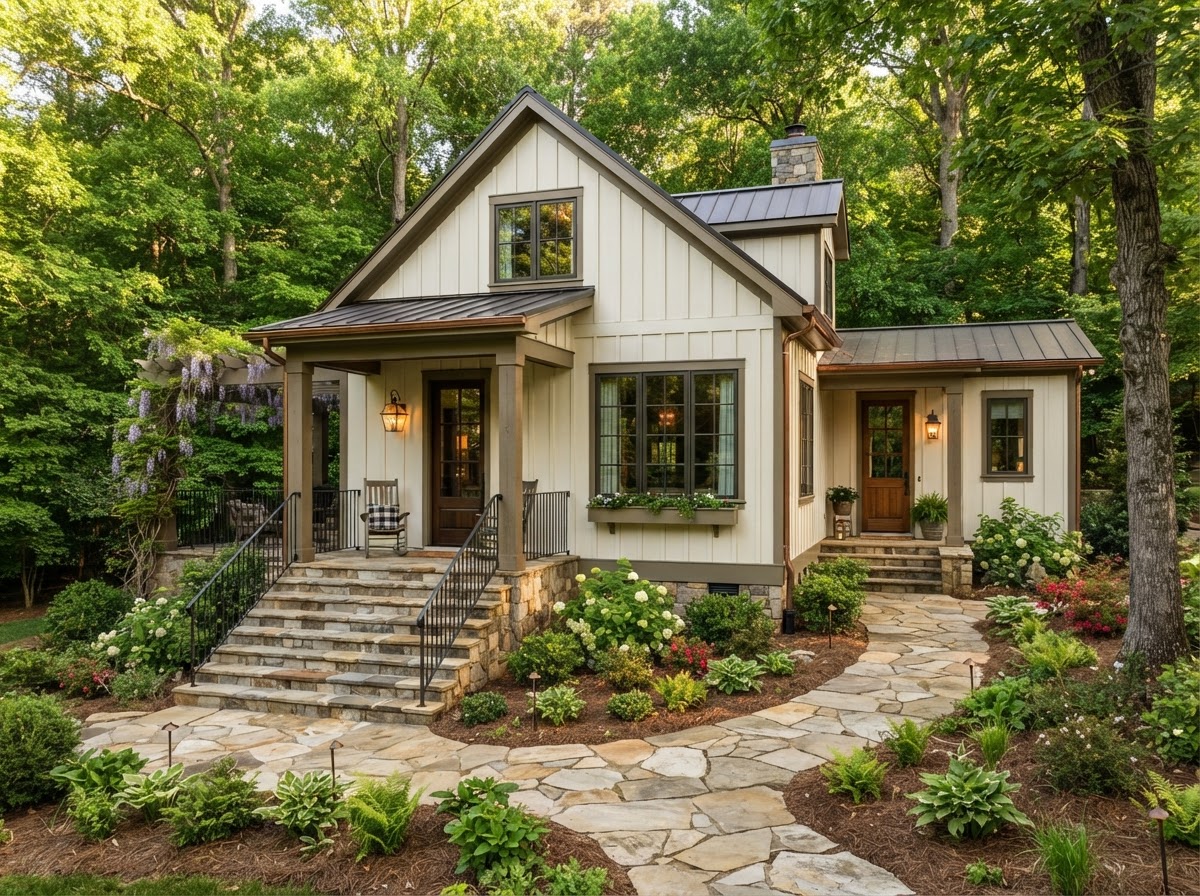
Pool House-to-ADU Conversions Raleigh NC
A pool house-to-ADU conversion evaluates an existing pool house — or a similar accessory structure — for conversion into independent residential living space. Feasibility depends on the existing structure, the foundation, the utilities, the size, the condition, the site and the current applicable requirements. A pool house is not automatically residential-grade; the conversion is evaluated honestly for what the structure can actually become.
Pool house-to-ADU conversions in Raleigh — evaluating existing pool houses and similar accessory structures for conversion into independent living space, with structural, foundation, utility, moisture and life-safety review.
Can an Existing Pool House Become an ADU?
Potentially, but feasibility depends on the existing structure, the foundation, the utilities, the size, the condition, the site and the current applicable requirements. A pool house built for recreational use is not the same as a structure built for residential living — the conversion has to bridge that gap, and some pool houses cannot bridge it without becoming a rebuild.
The honest answer is that it depends. Some pool houses convert well — adequate size, sound structure, utilities close at hand. Others are too small, too lightly built, or too far from utilities to convert economically. The evaluation is property-specific, and the conclusion is reached after review, not assumed.
What Makes Pool-House Conversions Unique?
Pool houses can offer a head start that other accessory structures do not — existing plumbing for a bathroom, existing electrical service, and a location already oriented to the yard. But they also carry conditions that a purpose-built ADU does not: proximity to the pool, an environment shaped by water and humidity, and a structure often built for seasonal recreational use rather than year-round residence.
- Existing plumbing — a bathroom may already be present
- Existing electrical — service may already run to the structure
- Proximity to the pool — site relationship to consider
- Accessory structure design — often built for recreational use
- Site relationship — how the structure fits the property
- Moisture environment — humidity and water exposure to manage
Structural and Foundation Review
The existing structure and foundation are evaluated for residential use — the foundation, the walls, the roof, the openings, the insulation and the overall condition. A pool house built without insulation, with a lightly framed roof, or on a minimal foundation may not be suitable for residential conversion without significant work. We do not imply that existing recreational construction is automatically residential-grade.
We do not imply existing recreational construction is automatically residential-grade
A pool house built for seasonal recreational use may not meet the structural, insulation or foundation standards required for a residential dwelling. The existing structure is evaluated honestly — and where it cannot be brought to residential standard economically, replacement may be the better path.
Want to know if your property qualifies?
Start with a parcel-specific feasibility review of your Raleigh or Triangle address.
Adding Full Residential Function
Where the structure is suitable, the conversion adds the facilities a pool house typically lacks — a kitchen, a bedroom, a full living area, laundry, HVAC, insulation and life-safety upgrades. The goal is to turn a recreational outbuilding into a complete residence, not to finish a pool house and call it a dwelling.
- Kitchen — a functional kitchen for independent living
- Bedroom — a comfortable, private sleeping room
- Living area — the occupant's own space
- Laundry — in-unit where the project allows
- HVAC — heating and cooling for year-round comfort
- Insulation — thermal and moisture protection for residence
- Life-safety upgrades — separation, egress and detection
Pool Safety and Residential Access
A pool house conversion adds residential use next to a pool, which introduces site-planning considerations around safety and access. The relationship between the residence and the pool, the occupant's access, and any applicable pool-barrier requirements are part of the site planning. We do not invent pool-barrier code rules — the applicable requirements are confirmed for the specific property.
We do not invent pool-barrier code rules
Pool safety barriers, separation and access requirements depend on the property and the current applicable standards. We do not fabricate pool-barrier dimensions or rules. The site planning is developed for the specific property and the applicable requirements.
Convert or Replace?
Where the existing pool house is unsuitable — too small, too lightly built, too far from utilities, or in poor condition — a new detached ADU may be more practical than forcing an unsuitable structure into residential use. The decision between conversion and replacement follows the evaluation, not a preference for saving the existing building at any cost.
Common Questions About Pool House-to-ADU Conversions
Potentially, but feasibility depends on the existing structure, the foundation, the utilities, the size, the condition, the site and the current applicable requirements. A pool house built for recreational use is not automatically residential-grade. The conversion is evaluated honestly for what the structure can actually become — and where it cannot be brought to residential standard economically, replacement may be the better path.
It depends on the existing foundation. A pool house built on a minimal foundation may need reinforcement or replacement to support residential use; a pool house with an adequate foundation may not. The existing foundation is evaluated as part of the structural review for the specific property, and the conclusion is reached after evaluation, not assumed.
Potentially, where the property and the current applicable rules permit rental use. Whether a converted pool house can be rented depends on the jurisdiction, the project classification and any applicable private restrictions, plus pool-safety considerations. Rental eligibility is verified for the specific property before the project is built; we do not guarantee rental approval or income.
A pool house can offer a head start — existing plumbing, existing electrical service and a yard-oriented location. But it also carries conditions a purpose-built ADU does not: proximity to the pool, a moisture environment shaped by water and humidity, and a structure often built for seasonal recreational use rather than year-round residence. The conversion has to bridge that gap.
It depends on the existing pool house's condition, size and utilities. Some pool houses convert well; others are too small, too lightly built or too far from utilities to convert economically. Where the existing structure is unsuitable, a new detached ADU may be more practical. The decision follows the evaluation, not a preference for saving the building at any cost.
Typically yes. Converting a recreational outbuilding into a residence usually requires insulation, HVAC, life-safety separation, egress and detection upgrades to meet residential standards. The specific requirements depend on the project and the current applicable building-code standards. The upgrades are part of turning a pool house into a complete residence.
Continue exploring Pool House-to-ADU Conversions
Considering a Pool House Conversion?
Tell us about the existing structure and the property. We evaluate the foundation, the structure, the utilities and the current applicable requirements to determine whether the pool house can become independent living space or whether replacement is more practical.